Aadhaar Authentication and Digital Governance in India
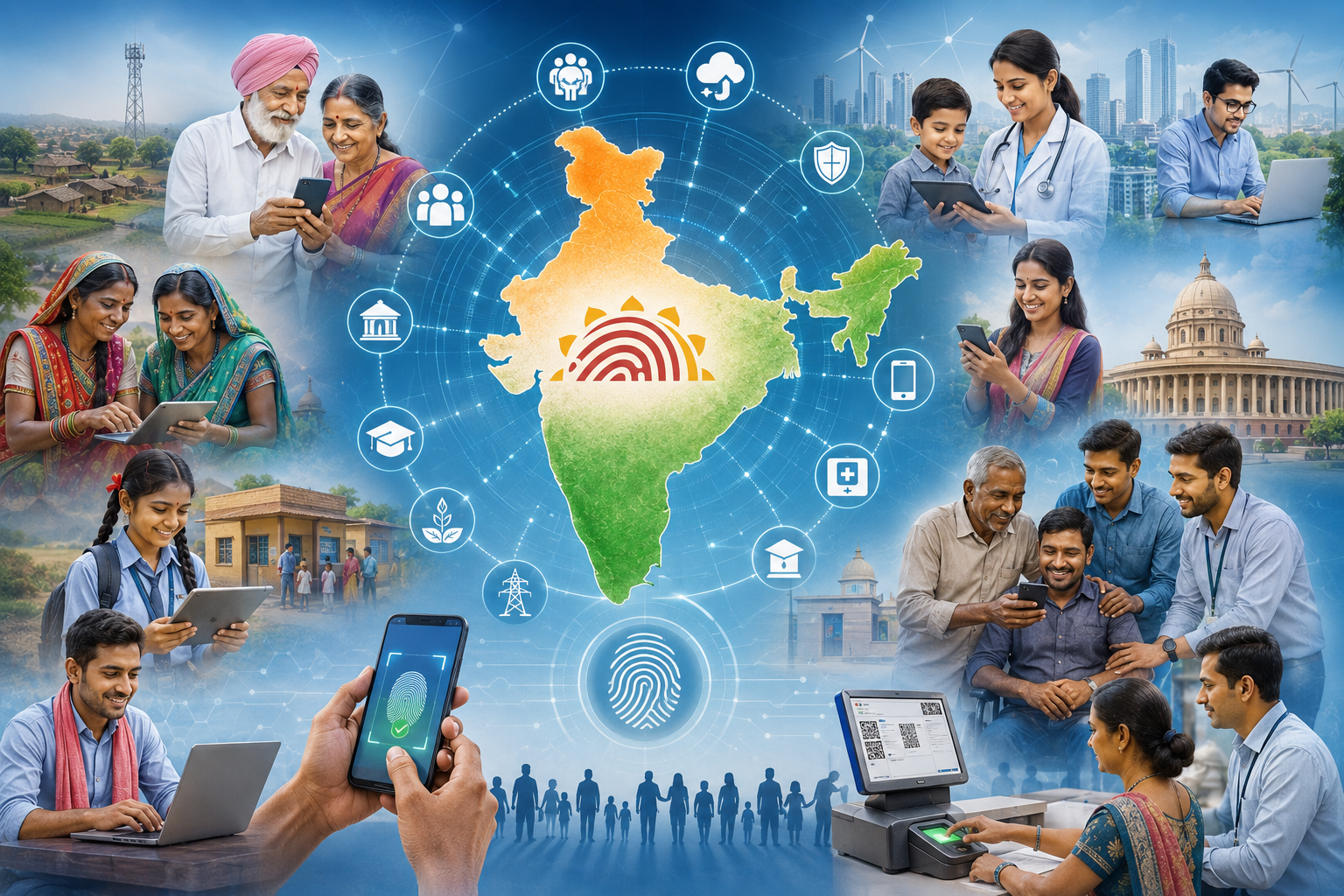

Are you looking for Aadhaar Authentication and its role in India’s digital ecosystem? If yes, you are in the right place. Aadhaar Authentication enables secure identity verification and helps citizens access various public and private services efficiently. Today, it is one of the key foundations of digital governance in India, supporting seamless access to government schemes, banking services, healthcare, education, and other essential services.
Over the years, Aadhaar Authentication has played a vital role in the Digital India Initiative, helping improve transparency, reduce fraud, and simplify service delivery. Millions of Indians use Aadhaar daily for identity verification, digital transactions, and accessing benefits, making it one of the world’s largest digital identity systems. In this article, we explore the importance, benefits, challenges, and future of Aadhaar in India’s evolving digital landscape.
What Is Aadhaar Authentication?
Aadhaar Authentication is the process of verifying an individual’s identity using their Aadhaar number and demographic or biometric information stored by the UIDAI (Unique Identification Authority of India).
The system allows service providers to confirm whether a person’s identity is genuine. During authentication of Aadhaar card, the submitted information is matched with records maintained by UIDAI.
Types of Aadhaar Authentication
Several forms of Aadhaar Authentication are available:
1. Demographic Authentication
This method verifies information such as:
- Name
- Date of Birth
- Gender
- Address
2. OTP-Based Authentication
A One-Time Password is sent to the registered mobile number linked with Aadhaar.
3. Aadhaar Based Biometric Authentication
This method uses:
- Fingerprint verification
- Iris scan verification
Aadhaar based biometric authentication provides a high level of security and is widely used for government and financial services.
4. Aadhaar Face Authentication
One of the latest innovations is aadhaar face authentication, which allows users to verify their identity through facial recognition technology.
The growing use of face authentication aadhaar solutions helps improve accessibility and convenience for citizens.
5. Aadhaar Authentication Online
Many services now support aadhaar authentication online, enabling users to verify their identity remotely without visiting physical offices.
The expansion of aadhaar authentication online services has significantly improved user convenience and digital service delivery.
Importance of Aadhaar Authentication in India
The significance of Aadhaar Authentication goes far beyond identity verification. It has become an essential component of digital governance in India.
1. Enhancing Identity Verification
One of the biggest benefits of Aadhaar Authentication is accurate and secure identity verification.
The process reduces:
- Identity fraud
- Duplicate records
- Fake beneficiaries
This has improved the effectiveness of numerous public welfare programs.
2. Supporting the Digital India Initiative
The Digital India Initiative aims to create a digitally empowered society and knowledge economy.
Aadhaar Authentication plays a critical role by enabling secure access to digital services and supporting seamless interactions between citizens and government agencies.
3. Improving Service Delivery
Government departments increasingly rely on aadhaar based authentication to deliver benefits efficiently.
Examples include:
- Subsidy distribution
- Pension payments
- Scholarship programs
- Healthcare services
This helps ensure that benefits reach eligible beneficiaries directly.
4. Driving Economic Digitalization
India’s journey toward economic digitalization depends heavily on trusted digital identity systems.
Aadhaar Authentication supports:
- Digital banking
- Online transactions
- Financial inclusion
- Cashless payments
As a result, millions of citizens can participate in the digital economy more effectively.
5. Strengthening E Governance in India
The growth of e-governance in India has been closely linked to the success of Aadhaar.
Through secure identity verification, government agencies can provide faster and more transparent services to citizens.
Aadhaar Authentication and Digital Governance
The relationship between Aadhaar Authentication and digital governance in India is strong and transformative.
Digital governance refers to the use of technology to improve public administration, citizen engagement, and service delivery.
How Aadhaar Supports Digital Governance
1. Better Citizen Identification
Accurate identification helps government agencies maintain reliable records and reduce duplication.
2. Improved Online Government Services
Many online government services now use Aadhaar Authentication for secure user access.
Examples include:
- Tax-related services
- Pension portals
- Scholarship applications
- Healthcare registrations
3. Increased Transparency
By reducing manual processes and improving accountability, Aadhaar Authentication promotes greater transparency in governance.
4. Efficient Welfare Distribution
Aadhaar-linked systems help governments deliver subsidies and benefits directly to eligible recipients.
5. Faster Digital Transformation
The growing adoption of aadhaar based authentication is accelerating digital transformation in India by creating a more connected and efficient public service ecosystem.
Key Benefits of Aadhaar Authentication
1. Secure Identity Verification
Aadhaar Authentication offers a reliable method of verifying identities through demographic and biometric information.
2. Convenient Access to Services
Citizens can use aadhaar authentication online to access numerous services without lengthy paperwork.
3. Reduced Fraud and Leakage
By eliminating duplicate identities, Aadhaar Authentication helps prevent misuse of public resources.
4. Enhanced Financial Inclusion
Aadhaar has helped millions of people gain access to banking and financial services.
5. Better Public Service Delivery
Government departments can deliver benefits more efficiently through aadhaar based biometric authentication systems.
Challenges and Concerns
While Aadhaar Authentication has transformed service delivery and strengthened digital governance in India, it also faces several challenges that need continuous attention.
1. Privacy and Data Security Concerns
One of the most discussed issues surrounding Aadhaar Authentication is data privacy. Since Aadhaar stores demographic and biometric information, citizens often have concerns about how their data is collected, stored, and protected.
Government agencies and UIDAI continue to strengthen security measures to ensure that Aadhaar data remains secure and protected from unauthorized access.
2. Authentication Failures
Although the system is highly efficient, some users occasionally experience authentication issues.
Common reasons include:
- Biometric mismatch
- Poor internet connectivity
- Outdated Aadhaar records
- Technical server issues
Many users search for aadhaar authentication failed solution when facing such problems. Updating biometric details and ensuring accurate information can help reduce authentication failures.
3. Digital Divide
Despite significant progress in digital transformation in India, some rural and remote areas still face challenges such as:
- Limited internet connectivity
- Lack of digital literacy
- Insufficient access to digital devices
Addressing these challenges is important for ensuring equal access to online government services.
4. Dependence on Technology
Since Aadhaar Authentication relies heavily on digital infrastructure, technical disruptions can temporarily affect service delivery.
Reliable connectivity and robust digital systems are necessary for smooth operations.
5. Awareness and Education
Many citizens are still unaware of the different features and benefits available through Aadhaar-enabled services.
Increasing awareness about:
- Aadhaar safety practices
- Aadhaar updates
- Aadhaar verification methods
- Aadhaar-related services
can help users make better use of the system.
6. Device Registration and Technical Issues
Organizations using biometric systems often need proper Aadhaar authentication device registration before offering Aadhaar-enabled services.
Ensuring device compatibility and compliance remains an important operational requirement.
Future of Aadhaar Authentication in India
The future of Aadhaar Authentication looks promising as India continues to advance its digital infrastructure and governance systems.
1. Expansion of Face Authentication
The adoption of aadhaar face authentication is expected to grow significantly in the coming years.
Benefits include:
- Contactless verification
- Faster authentication
- Improved accessibility
- Better user convenience
The increasing use of face authentication aadhaar solutions may reduce dependence on traditional biometric methods.
2. Stronger Integration with Digital Services
As more services become digital, Aadhaar Authentication will continue to support:
- Banking platforms
- Healthcare portals
- Educational services
- Government welfare programs
This integration will further strengthen digital governance in India.
3. Enhanced Security Technologies
Future developments may include:
- Advanced encryption systems
- AI-powered fraud detection
- Multi-factor authentication
- Improved biometric verification
These advancements will make aadhaar based authentication even more secure and reliable.
4. Growth of Aadhaar Authentication Portal Services
The expansion of the aadhaar authentication portal will make identity verification more accessible for citizens and service providers.
Users can expect:
- Faster verification processes
- Better user interfaces
- Improved service accessibility
- More digital service integration
5. Support for Economic Digitalization
As India embraces greater economic digitalization, Aadhaar will continue supporting:
- Financial inclusion
- Digital payments
- Online banking
- E-commerce growth
A trusted digital identity system is essential for a modern digital economy.
6. Strengthening E Governance in India
The future of e governance in India will rely heavily on secure and efficient digital identity verification systems.
Aadhaar Authentication is expected to remain a key enabler of:
- Transparent governance
- Efficient administration
- Citizen-centric services
- Improved public service delivery
7. Continued Role in Digital India Initiative
The Digital India Initiative aims to create a digitally empowered nation.
As the initiative evolves, Aadhaar Authentication will continue supporting:
- Digital inclusion
- Technology adoption
- Public service modernization
- Citizen empowerment
Its contribution to digital transformation in India is expected to become even more significant in the years ahead.
Aadhaar Authentication History
Understanding aadhaar authentication history helps explain its importance in India’s digital journey.
The Aadhaar program was launched to provide every resident with a unique identity number. Over time, the system evolved from a basic identification platform into a comprehensive digital identity ecosystem.
Key milestones include:
- Introduction of Aadhaar numbers
- Expansion of biometric authentication
- Integration with government services
- Launch of Aadhaar-Enabled Online Service
- Development of aadhaar face authentication
- Increased adoption across public and private sectors
Today, Aadhaar is recognized as one of the world’s largest digital identity systems and plays a crucial role in digital governance in India.
Conclusion
Aadhaar Authentication has become a key part of India’s digital ecosystem, enabling secure identity verification, reducing fraud, improving transparency, and enhancing access to various services. It plays an important role in strengthening digital governance in India and simplifying interactions between citizens, businesses, and government agencies.
With the growing use of aadhaar based authentication, aadhaar based biometric authentication, and aadhaar face authentication, digital services are becoming more accessible and efficient. As technology continues to evolve, Aadhaar Authentication is expected to further support digital transformation in India, economic digitalization, and seamless access to online government services.