
BPA Free Bottles: What Does BPA-Free Really Mean?
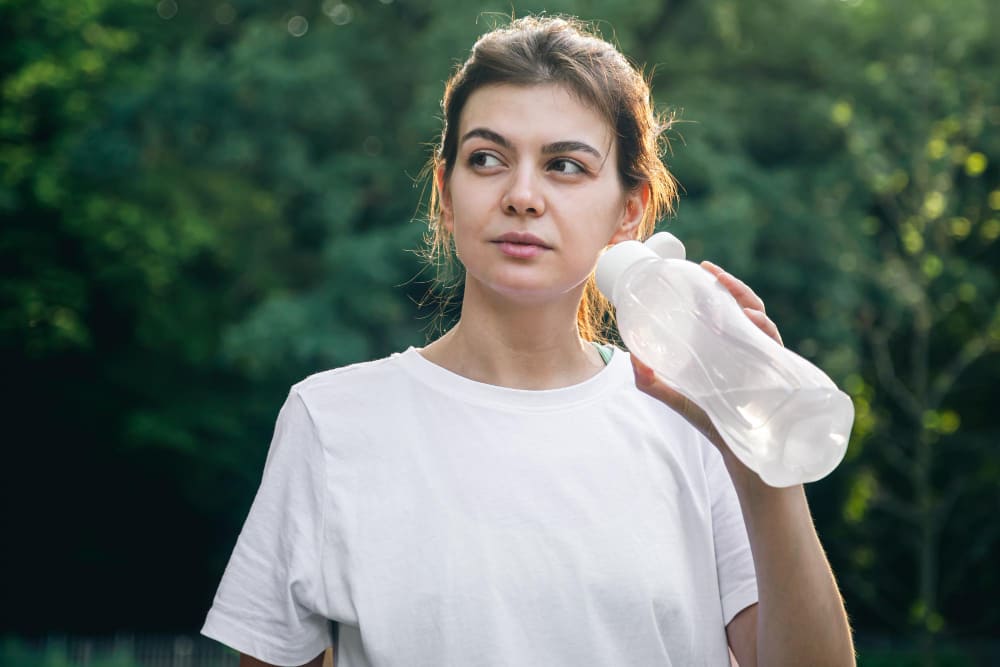

BPA Free Bottles are made without bisphenol A (BPA), a chemical used in certain plastics and resins. The BPA-free label helps consumers identify products manufactured without BPA, but it does not mean that the bottle is completely free from all chemicals.
Choosing a BPA-Free Water Bottle can be useful for people who want to reduce their exposure to BPA when storing drinking water and other beverages. However, BPA-Free Bottle Safety also depends on the bottle material, intended use, temperature limits, cleaning practices and the manufacturer’s instructions.
What Does BPA-Free Mean?
“BPA-free” means that a product is made without bisphenol A. BPA has been used in manufacturing certain polycarbonate plastics and epoxy resins, including materials used in some food and beverage containers.
The term BPA-Free Bottles Meaning is therefore straightforward: the product does not contain BPA as an intentionally used material. However, the label should not be interpreted as a guarantee that the product contains no other chemicals or that it is suitable for every type of use.
For consumers, checking the product label and manufacturer’s information is more useful than relying only on the appearance of a bottle.
What Is BPA and Where Is It Found?
Bisphenol A, commonly known as BPA, is an industrial chemical used to make certain plastics and resins. It has been used in polycarbonate plastics and epoxy coatings that can come into contact with food and beverages.
Because some products can come into contact with food or drinks, researchers and regulators have studied how BPA can migrate from materials into food or beverages and how people may be exposed to it.
This is why BPA in Plastic Bottles has become a common consumer concern, particularly when choosing reusable containers.
Are BPA Free Bottles Safe?
BPA Free Bottles are designed without BPA, but “BPA-free” does not mean that a bottle is completely risk-free. A bottle can contain other materials, and its suitability depends on how it is manufactured and used.
For example, a bottle designed for cold drinks may not be suitable for hot liquids, while using it beyond the recommended temperature range or when damaged can affect its performance. For BPA-Free Bottle Safety, always follow the manufacturer’s instructions, use the bottle for its intended purpose and replace it when it becomes cracked or damaged.
BPA Free Bottles vs Regular Plastic Bottles
The main difference is the material composition. BPA-Free Plastic Bottles are manufactured without BPA, while some older or specific plastic products may use materials that contain BPA.
When comparing Safe Water Bottles, consider more than the BPA-free label. Look at the type of plastic or other material, temperature recommendations, cleaning instructions and whether the bottle is intended for repeated use.
It is also important to remember that not every plastic bottle contains BPA. The exact material depends on the product and its manufacturing specifications.
How to Identify BPA Free Bottles
You can usually identify BPA Free Bottles by checking the product packaging, label or manufacturer’s product information.
Look for a clear statement such as “BPA-free.” If the information is unclear, check the manufacturer’s website or product specifications rather than assuming that a bottle is BPA-free because it looks or feels a certain way..
Benefits and Considerations of BPA Free Bottles
One of the main Benefits of BPA-Free Bottles is that they provide consumers with an option made without BPA. This can be important for people who specifically want to reduce their exposure to this chemical.
BPA-free products are also widely available in different materials, sizes and designs, making them convenient for everyday use.
However, BPA-free does not automatically mean that a bottle is superior in every respect. Consumers should also consider durability, cleaning requirements, temperature limits, material type and the intended use of the container.
How to Use BPA Free Bottles Safely
Using a BPA-Free Bottle for Daily Use requires proper cleaning and handling. Wash reusable bottles regularly, particularly after they have been used for beverages other than plain water.
Follow the manufacturer’s instructions regarding hot and cold liquids. Avoid using a bottle that is cracked, heavily scratched or otherwise damaged.
If you are looking for BPA-free bottles for juice, choose a product specifically intended for beverages and check its cleaning and temperature instructions before use.
BPA-Free Does Not Mean Chemical-Free
One of the most important things to understand about BPA-free labeling is that it refers specifically to BPA. It does not mean that the product contains no other chemicals.
Some manufacturers use alternative materials when producing BPA-free products.The same principle applies to searches for BPA free bottles of microplastics
A bottle being BPA-free does not automatically mean that it cannot release or contain microplastics. BPA and microplastics are different issues and should not be treated as interchangeable terms.
Conclusion
BPA Free Bottles are products made without bisphenol A, a chemical used in certain plastics and resins. The BPA-free label can help consumers choose products that avoid BPA, but it should not be interpreted as a guarantee that a bottle is completely chemical-free or suitable for every situation.
When choosing BPA-Free Water Bottles, consider the material, intended use, temperature limits, cleaning requirements and manufacturer’s instructions. Proper use and regular cleaning can also help maintain the safety and quality of reusable drinking bottles.
Also read– https://www.jagmarg.com/food-recipe-chef-sanjeev-kapoor-tomato-dhaniya-shorba-recipe/