
Top 10 Heart-Healthy Foods You Should Add to Your Daily Diet
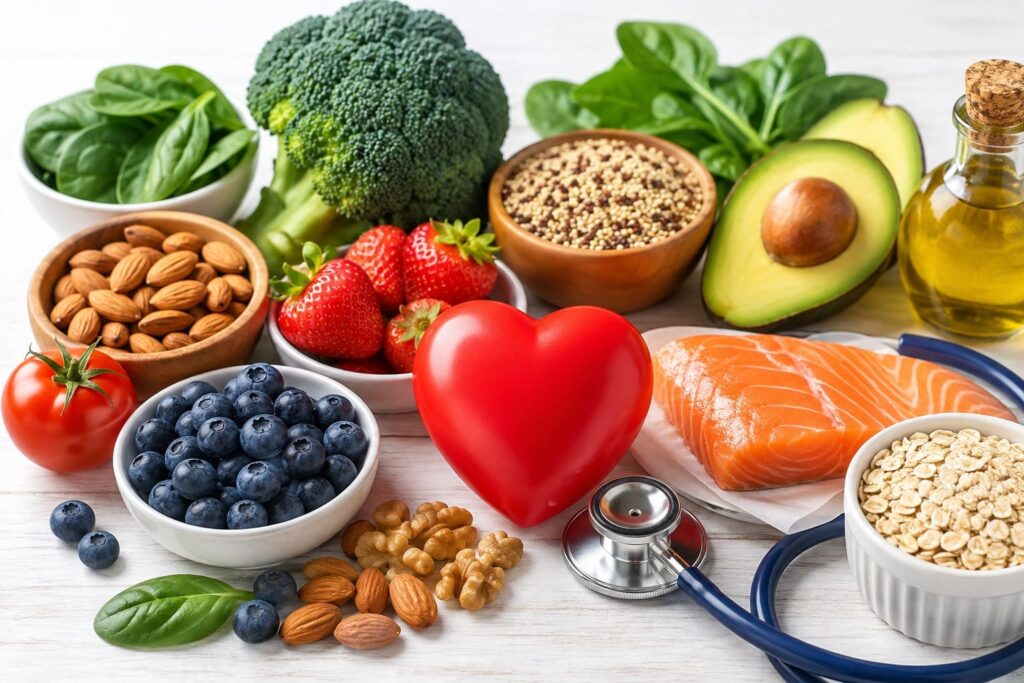

A healthy heart starts with the food you eat every day. Adding nutrient-rich foods to your diet can support healthy cholesterol levels, blood pressure, and overall cardiovascular health. From fatty fish and dark chocolate to leafy greens and nuts, several foods can be part of a heart-friendly diet.
If you are looking for the best heart-healthy foods, here are 10 nutritious options you can easily include in your daily meals.
What Are Heart-Healthy Foods?
Heart-healthy foods are generally rich in fiber, healthy fats, antioxidants, vitamins, and minerals that support cardiovascular health. They can be included as part of a balanced diet along with regular physical activity and other healthy lifestyle habits.
Top 10 Heart-Healthy Foods
1. Fatty Fish
Fatty fish such as salmon, sardines, mackerel, and tuna are excellent sources of omega-3 fatty acids. These healthy fats can support cardiovascular health and help maintain healthy triglyceride levels.
Try adding grilled or baked fish to your meals instead of choosing fried fish.
2. Dark Chocolate
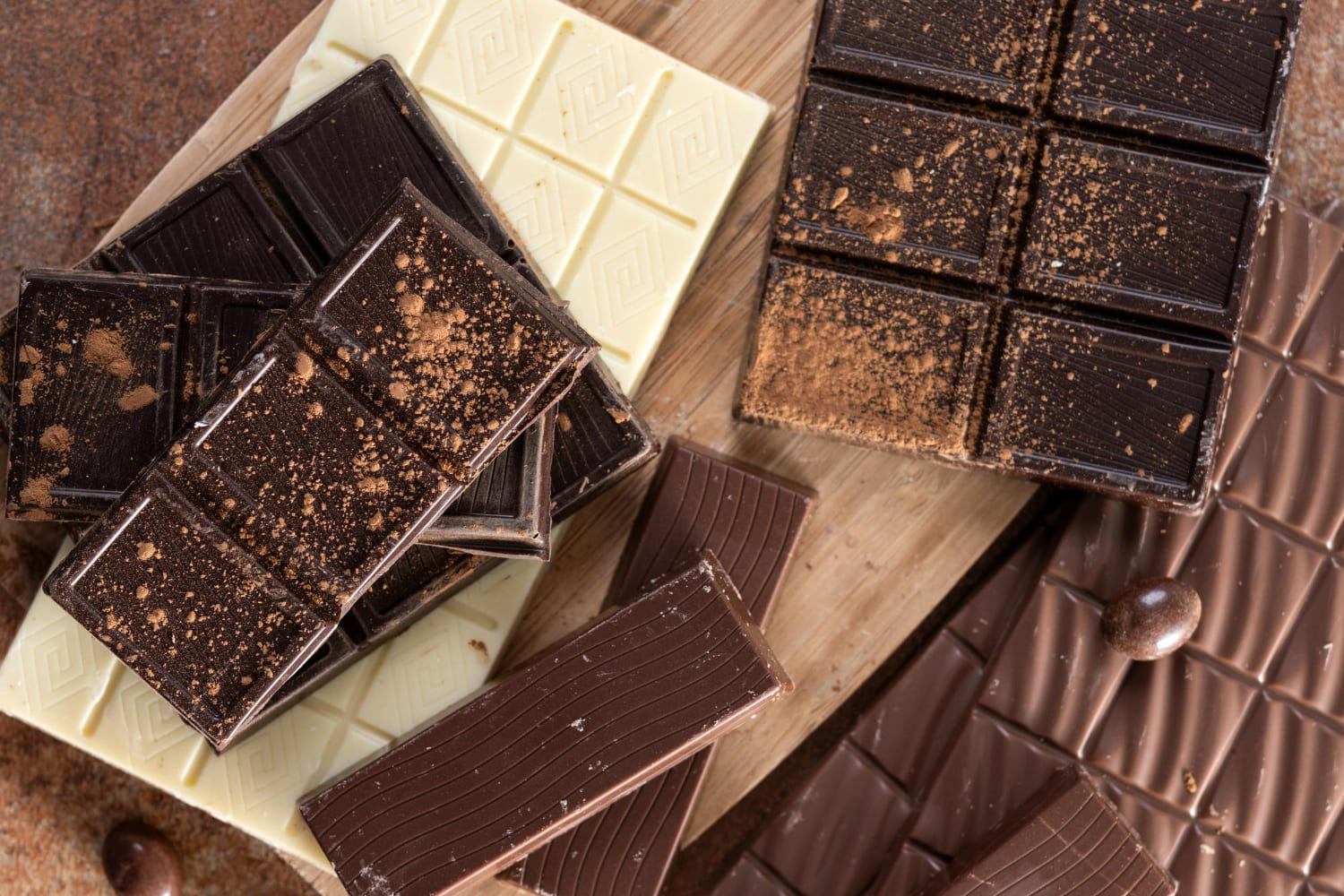
Dark chocolate can be included in a heart-conscious diet when eaten in moderation. Dark chocolate with a high cocoa content contains flavanols and antioxidants that may support cardiovascular health.
Choose dark chocolate in the list of heart-healthy foods, due to a higher cocoa percentage and less added sugar in it. A small portion is enough, as chocolate can still be high in calories.
3. Oats
Oats are rich in soluble fiber, particularly beta-glucan. Including oats in your breakfast can be an easy way to increase your daily fiber intake.
Enjoy oatmeal with fresh fruits, seeds, or a small amount of nuts for a nutritious breakfast.
4. Leafy Green Vegetables
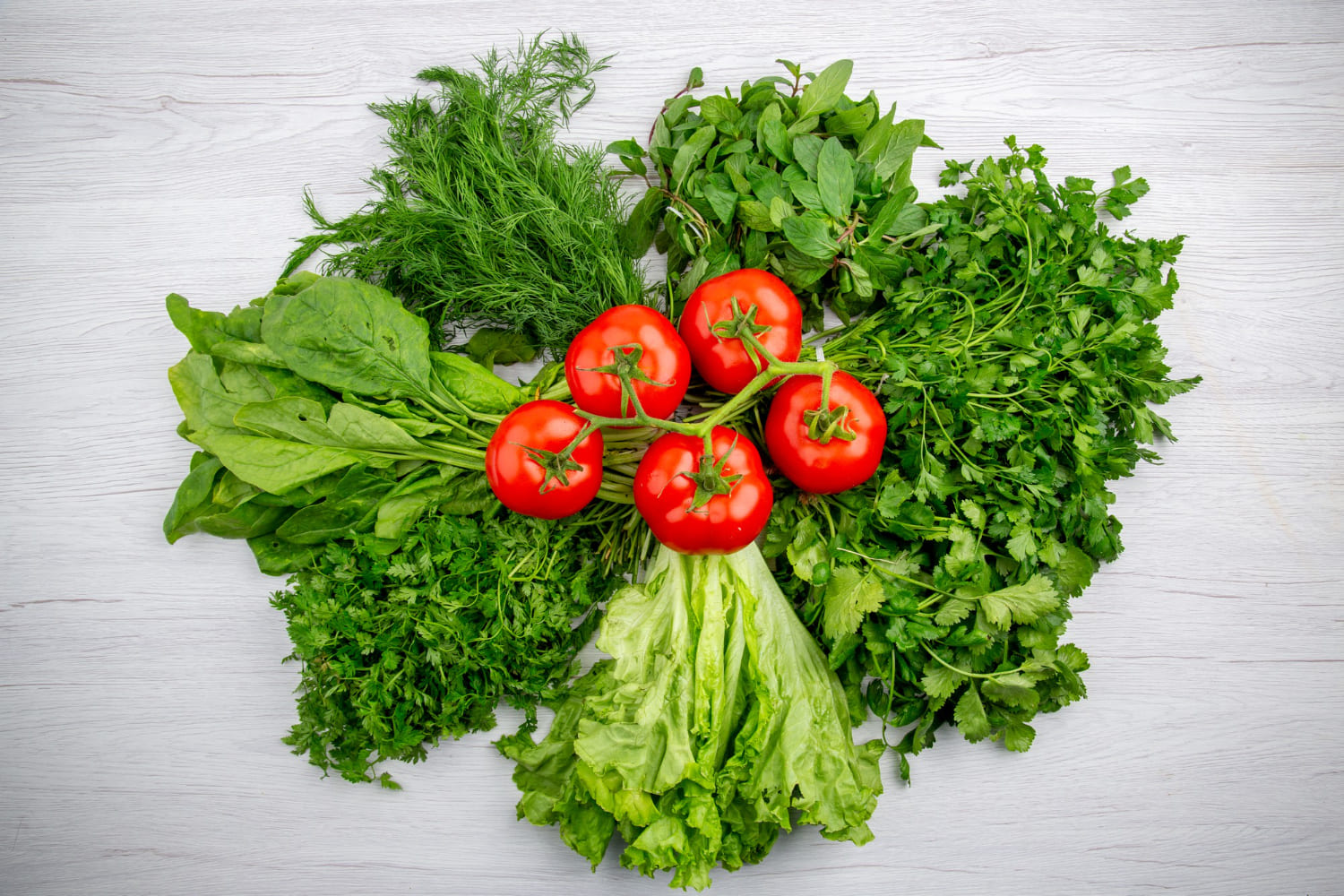
Spinach, kale, broccoli, and other green vegetables provide fiber, vitamins, minerals, and antioxidants. They are an important part of a balanced diet for overall cardiovascular health.
Add leafy greens to salads, soups, smoothies, or everyday meals.
5. Nuts
Almonds, walnuts, and pistachios contain healthy fats, fiber, protein, and important minerals. Walnuts are also a source of plant-based omega-3 fatty acids.
Choose unsalted nuts and keep portions moderate because they are calorie-dense.
6. Berries
Strawberries, blueberries, raspberries, and other berries provide antioxidants and dietary fiber. Their natural sweetness makes them a nutritious alternative to many processed desserts.
Add berries to oatmeal, yogurt, or smoothies for an easy snack or breakfast option.
7. Avocados
Avocados provide monounsaturated fats and fiber. Replacing foods high in saturated fats with sources of unsaturated fats can be a heart-friendly dietary choice.
Add avocado to salads, sandwiches, whole-grain toast, or homemade dips.
8. Beans and Legumes
Beans, lentils, chickpeas, and other legumes are good sources of plant-based protein and dietary fiber. They can also make meals more filling.
Include them in soups, salads, curries, or other everyday meals.
9. Extra Virgin Olive Oil
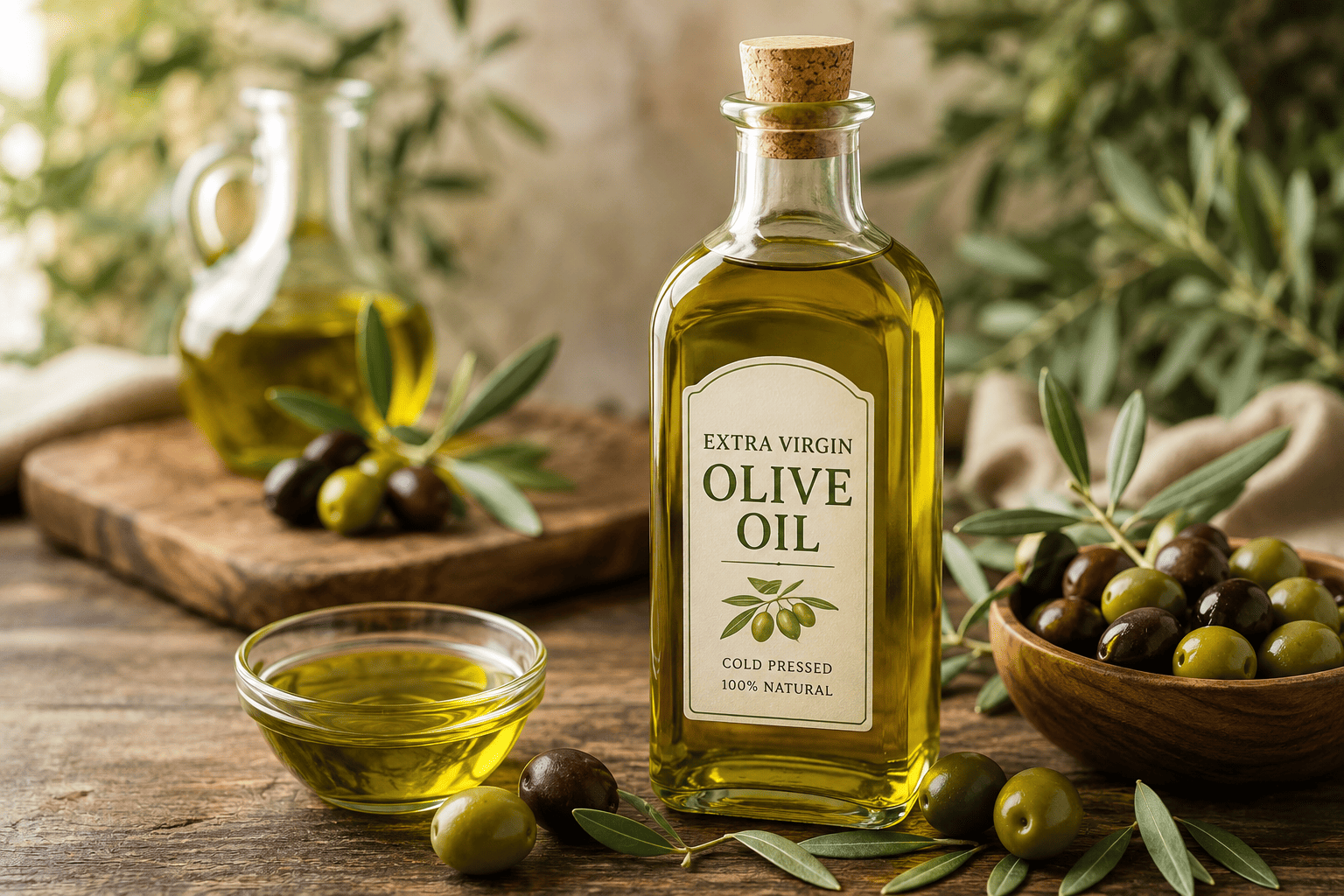
Extra virgin olive oil is a source of monounsaturated fat and is commonly used in Mediterranean-style diets. It can be used in salad dressings or cooking instead of some saturated fats.
Use it in moderation as part of a balanced diet.
10. Whole Grains
Brown rice, whole-wheat bread, barley, quinoa, and oats provide more fiber than many refined grains. Including whole grains can contribute to better overall cardiovascular nutrition.
Try replacing refined grains with whole-grain alternatives whenever possible.
How Can You Make Your Diet More Heart-Healthy?
Adding individual foods is helpful, but your overall eating pattern matters more. Try these simple changes:
- Choose whole grains instead of refined grains
- Eat plenty of vegetables and fruits
- Include nuts, seeds, beans, and legumes regularly
- Choose fish and other lean protein sources
- Limit foods high in saturated and trans fats
Foods to Limit for Better Heart Health
Along with adding heart-healthy foods, it is important to limit highly processed foods, deep-fried foods, processed meats, foods high in added sugar, and foods containing excessive sodium or saturated fat.
The goal is not to completely eliminate every less-healthy food. Instead, make nutritious, minimally processed foods the regular part of your diet.
Conclusion
The top heart-healthy foods include fatty fish, dark chocolate, oats, leafy greens, nuts, berries, avocados, beans, olive oil, and whole grains. Adding these nutritious foods to a balanced diet can help you make better choices for your cardiovascular health.
Remember that diet is only one part of maintaining a healthy heart. Regular physical activity, adequate sleep, avoiding tobacco, maintaining a healthy weight, and routine health checkups also play an important role.
FAQs – Top 10 Heart-Healthy Foods You Should Add to Your Daily Diet
Q1. What is the best food for heart health?
Ans. There is no single best food for heart health. A balanced diet containing fatty fish, vegetables, fruits, whole grains, nuts, legumes, and other nutrient-rich foods is a better approach.
Q2. Can I eat dark chocolate for heart health?
Ans. Yes, dark chocolate can be included in moderation. Choose varieties with higher cocoa content and less added sugar, and keep the serving size small.
Q3. Are nuts good for the heart?
Ans. Yes. Nuts provide unsaturated fats, fiber, protein, and other nutrients. Choose unsalted varieties and eat them in moderate portions.
Q4. What foods should I avoid for a healthy heart?
Ans. Limit excessive amounts of highly processed foods, deep-fried foods, processed meats, added sugars, sodium, and saturated fats. Your overall eating pattern matters more than avoiding one particular food.
Q5. How often should you eat heart-healthy foods?
Ans. Heart-healthy foods can be included regularly as part of a balanced diet. Try to eat a variety of vegetables, fruits, whole grains, nuts, legumes, and healthy protein sources throughout the week.