Independence Day: History, Significance and Interesting Facts
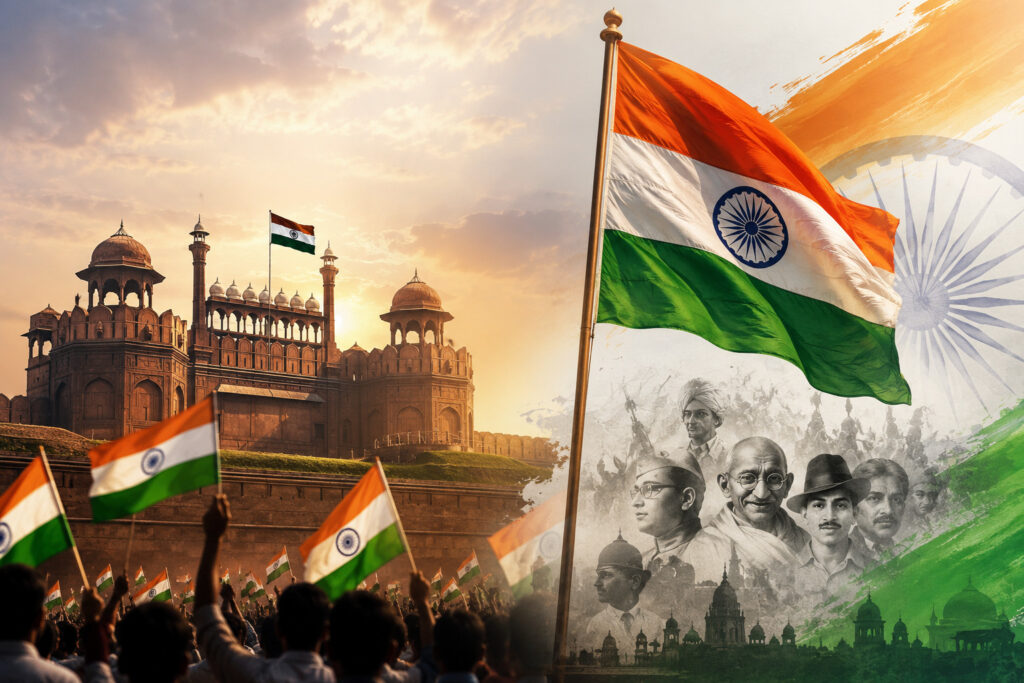

Independence Day is one of the most important national celebrations in India. Every year, Indians celebrate 15 August to remember the country’s freedom from British rule and honour the sacrifices of countless freedom fighters.
But why is August 15 celebrated as India’s national day? What is the Independence Day meaning, and how did India achieve freedom in 1947? Let’s explore the history, significance, traditions, and interesting facts behind this important occasion.
When Is Independence Day Celebrated in India?
India celebrates its national day on 15 August every year. On August 15, 1947, the country became independent after nearly two centuries of British rule.
In 2026, India will celebrate its 80th Independence Day. The occasion will be marked by patriotic events, flag-hoisting ceremonies, cultural programmes, and celebrations across the country.
Independence Day History
The Independence Day story is closely connected with India’s long freedom struggle. During British rule, Indian leaders and citizens fought for self-rule through protests, movements, political campaigns, and other forms of resistance.
The Indian independence movement included major events such as the Non-Cooperation Movement, Civil Disobedience Movement, and Quit India Movement. Leaders including Mahatma Gandhi, Jawaharlal Nehru, Sardar Vallabhbhai Patel, Subhas Chandra Bose, Bhagat Singh, and many others played important roles in India’s struggle for freedom.
After years of political developments and mass movements, the British government agreed to transfer power. India finally became independent on 15 August 1947.
Why Is 15 August Celebrated as Independence Day?
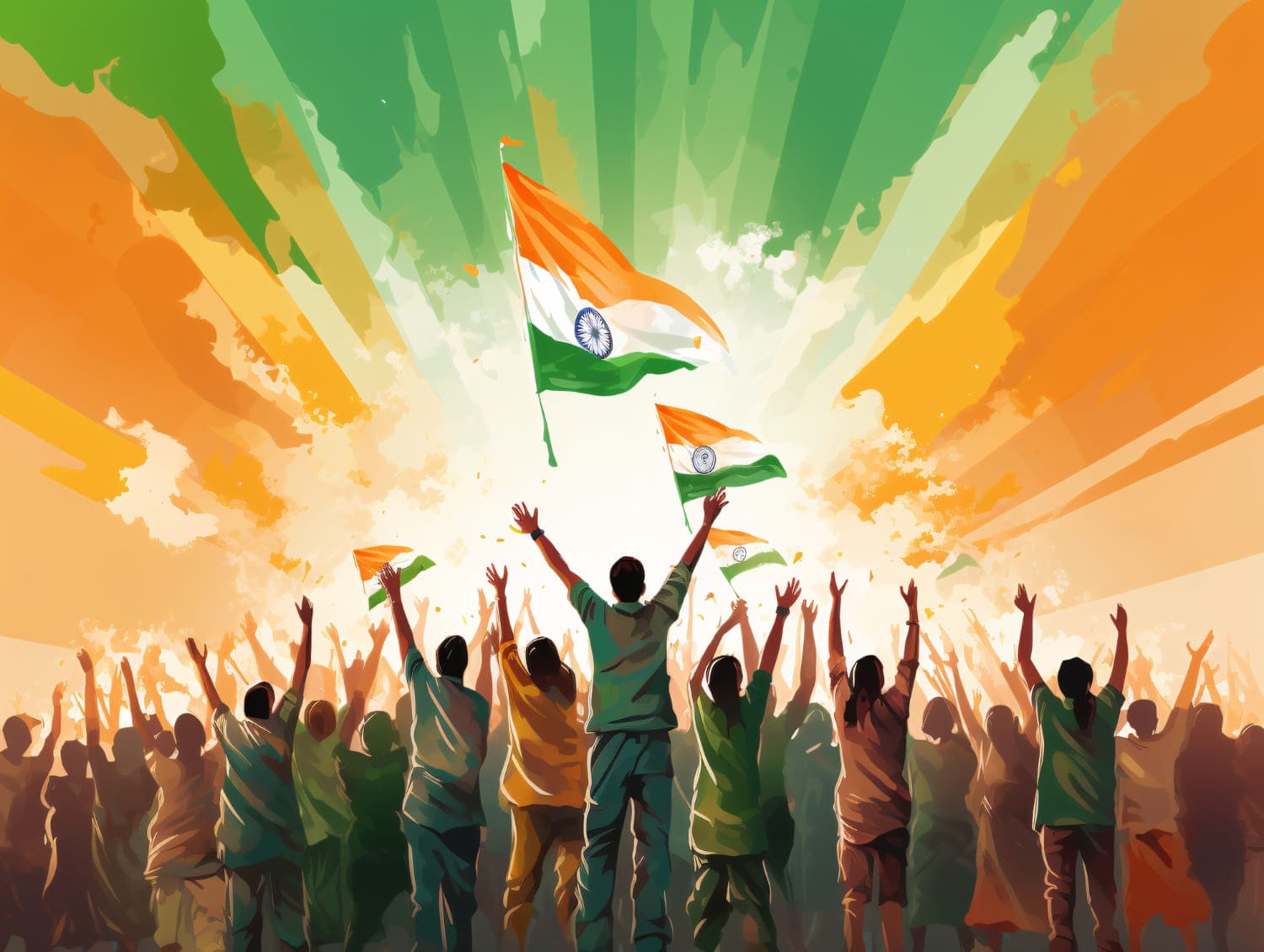
August 15 holds historic importance because it marks the day India gained freedom from British rule.
The date was selected by the last Viceroy of India, Lord Mountbatten, for the transfer of power. At midnight between August 14 and 15, India entered a new era as an independent nation.
Jawaharlal Nehru, India’s first Prime Minister, delivered his famous “Tryst with Destiny” speech shortly before the country officially became independent.
What Is the Meaning of Independence Day?
The Independence Day meaning goes beyond simply celebrating freedom from colonial rule. It is a day to remember the courage, sacrifices, and determination of the people who contributed to India’s freedom struggle.
It also reminds citizens about their responsibilities toward the country, including protecting democratic values, respecting the Constitution, and contributing to India’s development.
Significance of Independence Day
The significance of this national celebration can be understood through several important aspects:
- Remembering freedom fighters: The day honours those who sacrificed their lives for India’s freedom.
- Celebrating national unity: People from different communities and regions come together as Indians.
- Respecting the national flag: The Tricolour represents India’s identity, pride, and sovereignty.
- Promoting patriotism: The occasion encourages citizens to develop a stronger connection with the nation.
- Reflecting on progress: It is also an opportunity to look at India’s achievements and future goals.
How Does India Celebrate Independence Day?
The main national independence celebration takes place at the Red Fort in New Delhi. The Prime Minister hoists the national flag and addresses the nation.
Across India, schools, colleges, government offices, and communities organise flag-hoisting ceremonies, cultural programmes, patriotic performances, competitions, and awareness activities.
People also decorate homes and public spaces with the national colours and participate in local events to celebrate this Day.
Activities for Independence Day
There are many meaningful activities that children, families, schools, and communities can organise:
- Flag-hoisting ceremonies
- Patriotic song and dance performances
- Freedom fighter costume competitions
- Independence Day quizzes
- Essay and speech competitions
- Drawing and poster-making contests
- Patriotic movie screenings
- Tree-plantation drives
- Community cleanliness campaigns
- National flag awareness programmes
These activities can make the celebration educational as well as enjoyable.
Independence Day Facts You Should Know
Here are some interesting facts:
- India became independent on 15 August 1947.
- Jawaharlal Nehru became India’s first Prime Minister.
- Nehru delivered the historic Tryst with Destiny speech on the eve of independence.
- The first Independence Day was celebrated in 1947.
- The Red Fort became an important venue for the country’s national celebrations.
- The Indian national flag is popularly known as the Tricolour or Tiranga.
- August 15 is a national holiday in India.
- The day commemorates India’s freedom from British colonial rule.
- Flag-hoisting ceremonies are organised across the country.
- In 2026, India will mark its 80th Independence Day.
First Independence Day of India
The first Independence Day was celebrated on August 15, 1947. The occasion marked the beginning of India’s journey as an independent nation.
Jawaharlal Nehru became the country’s first Prime Minister and delivered his historic address. The celebrations of that time were filled with a strong sense of freedom, hope, and national pride.
Is Independence Day Celebrated in Other Countries?
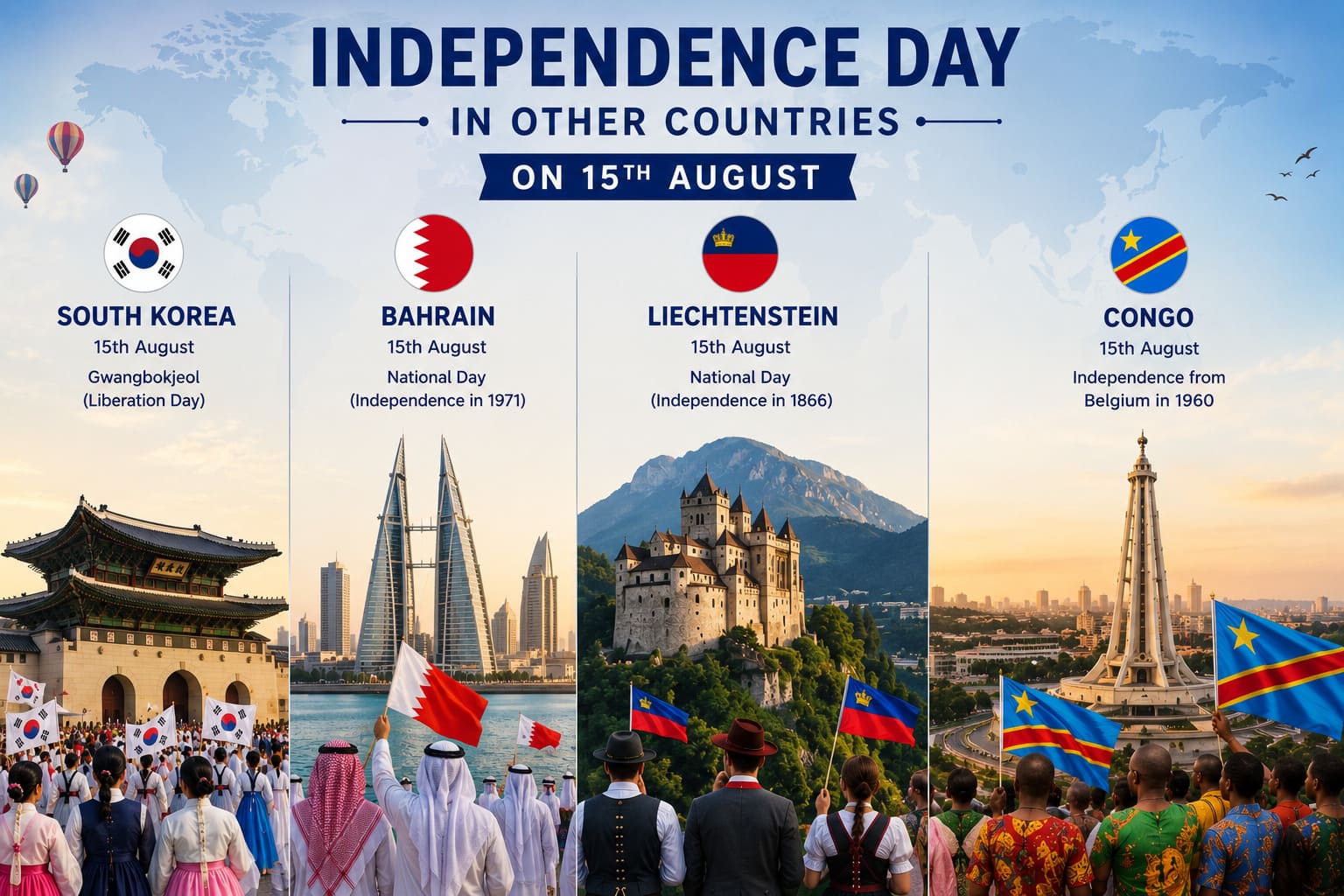
Yes, many countries have their own national days celebrating independence or liberation. However, the dates and historical circumstances differ from country to country.
For example, South Korea observes Liberation Day, known as Gwangbokjeol, on August 15. It commemorates Korea’s liberation from Japanese colonial rule in 1945.
Therefore, while India and Korea observe important national occasions on August 15, their historical meanings are different. Independence Day Korea is commonly associated with Liberation Day Korea, rather than India’s national celebration.
India Independence Day 1947 and the Freedom Struggle
The story of Independence represents the culmination of a long and complex freedom movement.
Millions of Indians participated in different forms of resistance and political movements. The contribution of well-known leaders as well as ordinary citizens shaped the struggle and ultimately helped India achieve independence.
Remembering this history helps younger generations understand the value of freedom and the responsibilities that come with it.
Independence Day 2026 Theme
The official Independence Day 2026 theme should be confirmed through government announcements and official sources. Readers should check verified government information for the confirmed theme rather than relying on unverified information circulating online.
Conclusion
Independence Day is more than a national holiday. It is a reminder of India’s freedom struggle, the sacrifices of countless people, and the responsibilities that come with being an independent nation. As India celebrates its 80th Independence Day in 2026, the occasion provides an opportunity to remember the past, celebrate the country’s achievements, and look toward a stronger and more developed future.